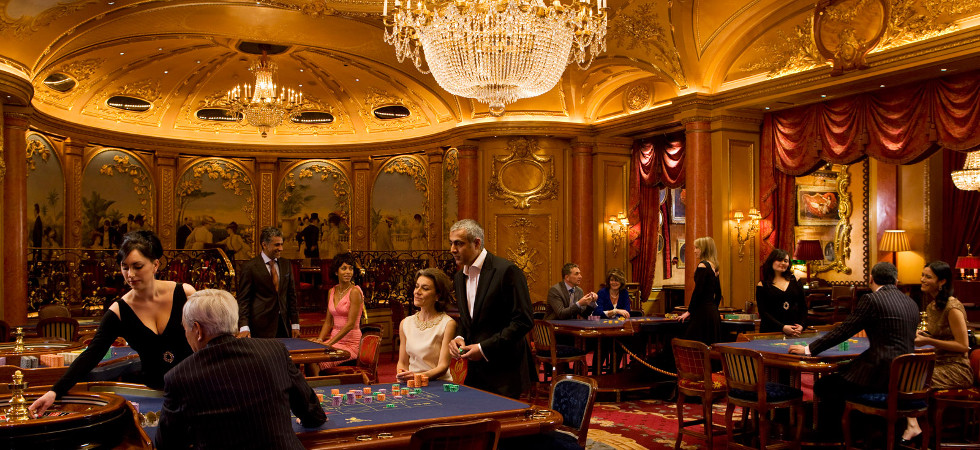
The traditional image of the British casino, all velvet ropes and hushed whispers, is being reshuffled in the face of a digital revolution and a tightening regulatory deck. The landscape once defined by the 2005 Gambling Act is now under intense scrutiny, while a generation weaned on smartphones expects more than just roulette and a complimentary drink. To survive, the UK’s casino operators are being forced to reinvent themselves, navigating a complex path between stringent compliance, technological adoption, and a fundamental reimagining of their very purpose. This is our take on the multifaceted adaptation underway in Britain’s casino sector.
The Double-Edged Sword of Regulation and Responsibility
For UK casino operators, the regulatory environment is no longer just a framework to operate within; it is the dominant force shaping business strategy. The ongoing review of the 2005 Gambling Act and the Gambling Commission’s laser focus on consumer protection have created a high-stakes climate of anticipation and adaptation. Operators must now prove their commitment to safer gambling with tangible, often costly, actions, balancing the books against the imperative to be seen as ‘whiter than white’.
Navigating the 2005 Act Review and Affordability Checks
The potential outcomes of the Act’s review—from stricter stake limits to advertising curbs—loom large. But it’s the here-and-now enforcement that’s causing immediate operational shifts. The Gambling Commission’s increased focus on affordability checks and stricter licensing conditions has moved from guidance to mandate. Land-based giants like Genting and others must now implement robust, often intrusive, financial vulnerability assessments. This isn’t just a software upgrade; it’s a cultural shift that places staff on the frontline of customer due diligence, requiring delicate handling to avoid alienating legitimate patrons while identifying genuine risk.
The Operational Cost of Being ‘Whiter Than White’
This new era of compliance carries a significant price tag. Investment is being diverted from the gaming floor into sophisticated monitoring systems, extensive staff training programmes, and dedicated safer gambling teams. For smaller independents, this financial burden can be existential, creating a two-tier industry where only the well-resourced can comfortably bear the cost of constant regulatory proof. The reputational risk of a single compliance failure, amplified by media scrutiny, means that investment in responsibility is no longer optional PR—it’s core business insurance.
Bricks, Clicks, and the Omnichannel Pivot
Recognising that their future lies not in fighting the digital tide but in riding it, major casino groups are aggressively pursuing an omnichannel strategy. The goal is seamless integration, using the digital domain not as a competitor, but as a conduit to drive physical footfall. Operators like the Rank Group (behind Grosvenor Casinos) and Caesars UK are leading this charge, turning their apps into the central nervous system of the customer relationship.
From Membership Cards to App-Based Loyalty
The plastic membership card is becoming a relic. Its replacement is the smartphone app, a powerful tool for data collection and personalised engagement. A prime example is Grosvenor Casinos’ ‘My Grosvenor’ app for cashless play and rewards. This platform allows users to track points, access personalised offers, and even facilitate cashless transactions on the gaming floor, creating a frictionless experience that appeals to modern consumers accustomed to Uber and Amazon levels of convenience.
Using Digital Prompts to Drive Physical Visits
The strategy goes beyond digitising loyalty. Clever use of geo-targeting and push notifications allows casinos to send time-sensitive offers—a free drink, bonus rewards on a slow Tuesday evening—to app users within a certain radius of a venue. This turns the app into a dynamic footfall driver, bridging the gap between online engagement and the unique, immersive experience that only a physical venue can provide. The digital hand isn’t just shaking yours; it’s gently guiding you through the door.
Beyond the Tables: The Experience Economy Takes Hold
The most profound shift is the move from pure gambling venue to broad-spectrum entertainment destination. British casinos are betting big on the ‘experience economy’, aiming to attract a wider demographic for whom gambling might be a secondary or occasional activity. This diversification is crucial for building a sustainable business model less reliant on volatile gaming revenue alone.
Fine Dining, Live Shows, and Superstar DJs
Nowhere is this better exemplified than at The Hippodrome Casino in Leicester Square as a prime example of diversification into live entertainment and dining. Housing three distinct theatres, multiple bars, and acclaimed restaurants, it has become a legitimate London nightlife hub. Similarly, Grosvenor venues nationwide host live sports screening events, complete with big screens, street food stalls, and a party atmosphere, targeting sports fans who may never approach a blackjack table. The offering now includes:
- Michelin-starred and celebrity chef restaurants
- West End-calibre theatre and cabaret shows
- Late-night bars with resident and guest DJs
- Private event and conference spaces
Positioning as a Nightlife Hub, Not Just a Gambling Den
This strategic repositioning is a direct response to changing social habits and regulatory pressure. By becoming a destination for a night out—where you might catch a show, have a steak, watch the big match, and then perhaps play a hand of poker—casinos are normalising their presence on the high street. They are shedding the ‘gambling den’ stigma and rebranding as sophisticated, safe, and socially-valid leisure complexes for adults.
Technological Innovation on the Gaming Floor
While the experience expands around it, the core gaming floor itself is undergoing a quiet tech revolution. To attract a younger, tech-savvy patron who might find traditional table games intimidating or slow, casinos are introducing new forms of interactive gaming that blend skill with chance and offer lower barriers to entry.
Skill-Based Games and Electronic Tables
The rise of electronic table games (ETGs) and skill-based hybrid terminals is significant. ETGs offer lower minimum stakes than live tables, allowing for a gentler introduction to games like roulette or baccarat. Skill-based games, which incorporate elements of video gaming, appeal directly to a demographic raised on consoles, offering a more active and engaging form of participation than passively waiting for a roulette ball to drop.
The Slow March Towards Fully Cashless Floors
The adoption of cashless payment technology, integrated into loyalty apps, is gradually transforming the transactional landscape. While the move towards fully cashless floors is cautious—mindful of customer preference and financial inclusion concerns—the infrastructure is being built. This shift promises enhanced security, faster play, and deeper integration of spending data with responsible gambling tools, allowing for more precise player session and budget management.
The Future: An Opinionated Forecast for the UK Scene
So, where does this multifaceted adaptation lead the British casino industry? Our editorial team at so2say uk believes the coming decade will be defined by three key trends:
- Consolidation and Scale: The financial pressure of regulation and technology investment will likely squeeze smaller independent operators. We foresee further consolidation under larger brand umbrellas, or the rise of specialist boutique venues catering to a very high-end niche.
- The Rise of the Mega-Complex: The success of integrated models points to a future of larger-scale destinations. Resorts World Birmingham as a model for large-scale, integrated leisure and casino complexes is a blueprint likely to inspire similar regional developments, where a casino anchors a broader offering of shopping, dining, cinema, and hotel accommodation.
- The Irreplaceable Human Touch: Despite the tech pivot, the ultimate differentiator will remain the human element. The quality of service, the expertise of a croupier, the intuition of a host—these cannot be digitised. The casinos that thrive will be those that use technology to empower, not replace, exceptional human service.
We believe the British casino that survives and thrives will be the one that masters being a responsible regulator, a tech-savvy host, and an unforgettable experience curator, all at once. The era of relying solely on the turn of a card is over. The future belongs to the multifaceted entertainer.






Post Comment
You must be logged in to post a comment.